If you're wondering how to get sponsors for a grassroots football team, start with local businesses.
The best sponsors for Sunday League and amateur football clubs aren’t national brands, they’re pubs, trades, local shops and community businesses that want visibility and local engagement.
In this guide, you’ll discover 10 types of sponsors your football club can approach in your town or city, even if you're just starting out.
Why Local Sponsorship Works Best in Grassroots Football
In grassroots football, sponsorship isn’t just about logo placement.
Local businesses sponsor clubs because they want:
- Community visibility
- Brand trust
- Association with sport and teamwork
- Exposure on matchdays
- Social media promotion
Unlike large corporations, local businesses:
- Make decisions quickly
- Prefer personal relationships
- Value long-term partnerships
If your club is organised and active online, you already have something valuable to offer.
1. Pubs, Bars and Local Restaurants
Pubs are some of the most common sponsors in Sunday League football.
Why?
Because football and pubs naturally connect.
They benefit from:
- Shirt sponsorship
- Post-match gatherings
- Social media mentions
- Increased weekend footfall
Some provide monthly sponsorship, others offer post-match meals or sponsor a “Player of the Match” award.
2. Convenience Stores and Local Shops
Corner shops, off-licences and independent retailers rely on community loyalty.
Sponsoring a grassroots football club keeps their brand visible among:
- Players
- Families
- Supporters
- Local residents
Simple sponsorship packages like pitch-side boards, website logos or social posts often work well.
3. Gyms and Personal Trainers
There’s a natural connection between football clubs and fitness businesses.
Local gyms and PTs can offer:
- Discounted memberships for players
- Pre-season fitness programmes
- Branding on training kits
In return, they gain exposure to an active local audience.
4. Physiotherapists and Sports Therapists
In amateur football, injuries are common.
Sports physios, massage therapists and rehabilitation clinics make strong sponsorship partners because:
- Players need their services
- They gain credibility within the football community
- Word-of-mouth referrals increase
It’s a partnership that benefits both sides.
5. Sports Shops and Kit Suppliers
Local sports retailers and kit suppliers are ideal grassroots football sponsors.
They may offer:
- Discounted teamwear
- Reduced prices on balls and equipment
- Financial sponsorship in exchange for exclusivity
A well-organised club with a clear identity is more attractive commercially.
6. Trades and Local Contractors
Tradespeople are frequent sponsors of Sunday League teams.
This includes:
- Builders
- Electricians
- Plumbers
- Roofers
- Landscapers
Why?
Because grassroots football offers trusted local visibility.
A logo on a shirt or pitch-side banner keeps their name in the community.
7. Accountants, Estate Agents and Local Services
Professional services businesses often look for community exposure.
This includes:
- Accountants
- Mortgage brokers
- Estate agents
- Insurance brokers
- Solicitors
Sponsoring a football club strengthens brand trust and reinforces local presence.
8. 5-a-Side Centres and Football Facilities
Local 5-a-side centres and football venues can be strong commercial partners.
Partnerships might include:
- Reduced pitch hire
- Joint promotion
- Cross-marketing on social media
- Event sponsorship
These relationships strengthen the local football ecosystem.
9. Small Manufacturers and Local Businesses
Many small regional businesses want to support community initiatives but are rarely approached professionally.
If your club can show:
- Fixture history
- Online presence
- Active social media
- Clear sponsorship packages
you significantly increase your chances of securing amateur football sponsorship.
10. Independent Local Businesses
Don’t underestimate small independent businesses such as:
- Barbers
- Cafés
- Pet shops
- Hair salons
- Takeaways
Individually they may contribute modestly, but collectively they can fund a full kit or season expenses.
For many grassroots clubs, multiple small sponsors are more sustainable than relying on one large backer.
How to Get Sponsors for a Sunday League or Grassroots Team
Getting football sponsorship in the UK requires professionalism.
Businesses want reassurance that your club is:
- Organised
- Active
- Reliable
- Visible in the community
- Consistent online
Clubs that can present:
- Fixture records
- Player statistics
- Match reports
- Social media engagement
appear far more credible.
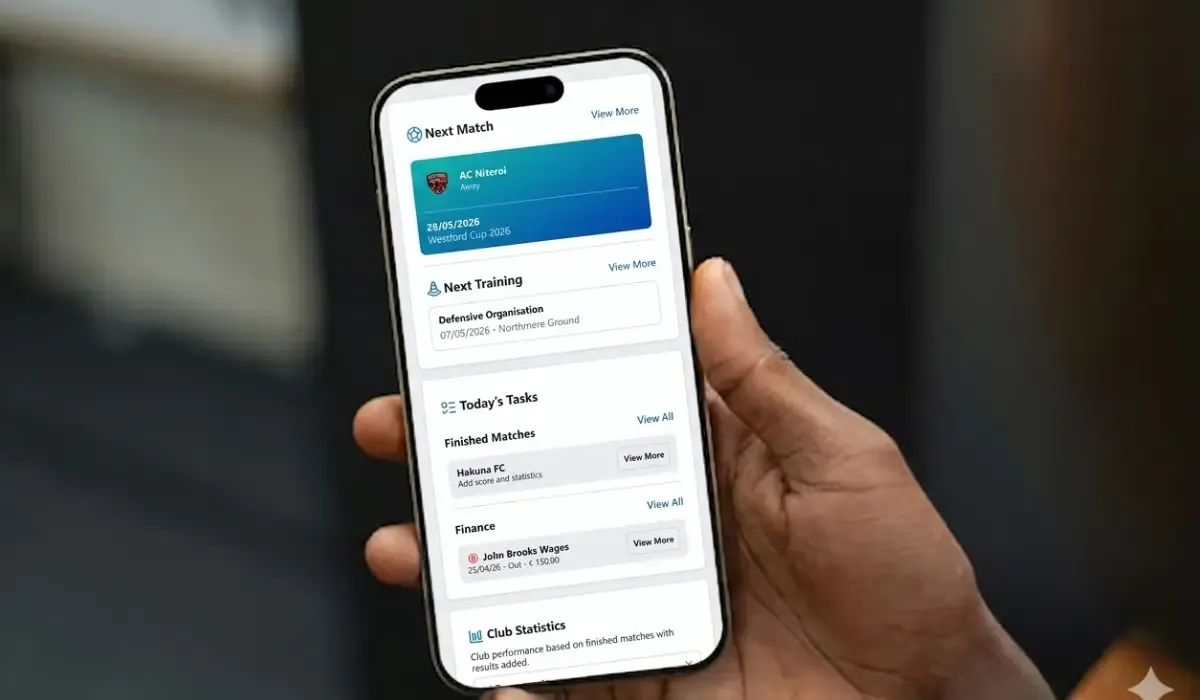
Platforms like Clubjourney help clubs create a structured online presence, showcase sponsors and present performance data, all of which strengthen your sponsorship proposal.
Next Step: How to Approach Local Sponsors
Now that you know where to find sponsors for your football club, the next step is learning how to approach them properly.
A clear sponsorship proposal, defined benefits and professional communication make all the difference.
On the pitch, organisation wins matches.
Off the pitch, strong sponsorship keeps your club running season after season.