Creating a visual identity for a football team is a crucial step for any club that wants to grow, attract sponsors and be taken seriously in amateur football.
A team’s identity is mainly built around four key elements:
- Team name
- Club badge
- Official colours
- Team kit
These elements define how the club will be recognised by players, supporters, sponsors and the local community.
Clubs with a strong visual identity often appear more organised, professional and credible, even at grassroots level.
In football culture, identity matters. Supporters connect deeply with a club’s colours, crest and shirt, which is why building a clear identity from the beginning can make a huge difference.
Why Visual Identity Matters for an Amateur Football Club
Many amateur teams focus only on performances on the pitch, but the reputation of a club often begins long before kick-off.
A well-built visual identity helps a team to:
- Attract sponsors
- Connect with supporters
- Strengthen the club’s reputation
- Build a presence on social media
- Create official merchandise (shirts, scarves, hats, etc.)
When a team has a strong name, a well-designed badge and a distinctive kit, it becomes far easier for people to remember it.
In many communities, football clubs represent local pride. A clear identity helps build that connection between the team and its supporters.
How to Choose a Strong Name for Your Football Team
The team name is the first element of a club’s identity. It should be memorable, easy to pronounce and reflect the club’s personality.
1. Use Local References
Many grassroots clubs build a stronger bond with supporters when their name reflects the area they represent.
You can draw inspiration from:
- the neighbourhood or town
- local history
- landmarks or industries
- cultural symbols from the community
Names connected to the local area help supporters feel that the club truly represents them.
2. Avoid Copying Famous Clubs
Some amateur teams choose names inspired by well-known clubs.
Examples include:
- adding “United”, “City” or “Rovers” without any real connection
- copying the name of a major club with only a small variation
While this might seem appealing at first, it often makes the team feel less original.
Clubs with unique names usually stand out much more.
3. Keep the Name Simple and Memorable
A good football team name should be:
- short
- easy to say
- easy to remember
This helps supporters talk about the club, find it online and recognise it more easily.
How to Design a Professional Football Club Badge
The club badge is the most important symbol in a team’s identity. It appears everywhere:
- on the kit
- on social media
- on the club website
- on posters and promotional material
- on merchandise
Because of this, the badge should be carefully designed.
Characteristics of a Good Football Badge
Professional-looking badges usually have:
- a simple design
- a limited number of elements
- clear shapes
- good readability at small sizes
The simpler the design, the easier it is to apply the badge across different platforms and materials.
Avoid Copying Other Club Crests
Some teams simply adapt existing crests by changing colours or names.
This approach makes it difficult to build a unique identity and can make the club look less professional.
An original badge gives the team its own personality.
Is It Worth Hiring a Designer?
If the club has the budget, working with a designer can be a great investment.
A well-designed badge can help to:
- improve the appearance of the kit
- attract sponsors
- strengthen the club’s brand
Over time, this investment often pays for itself.
How to Choose the Colours for Your Football Team
A club’s colours are one of the most recognisable parts of its identity. They appear in:
- the kit
- the badge
- social media graphics
- supporter flags and scarves
- club merchandise
Strong colours help people recognise the team instantly.
Avoid Very Common Colour Combinations
Some colour combinations are strongly associated with famous clubs.
Examples include:
- red and white
- blue and white
- claret and blue
Using very common combinations may make your team look similar to many others.
If possible, try to create a distinctive colour identity.
Think About Practical Use
Your colours need to work well across different formats:
- match kits
- social media
- club website
- printed materials
Most teams work best with two or three main colours that define their visual identity.
How to Design a Professional Football Kit
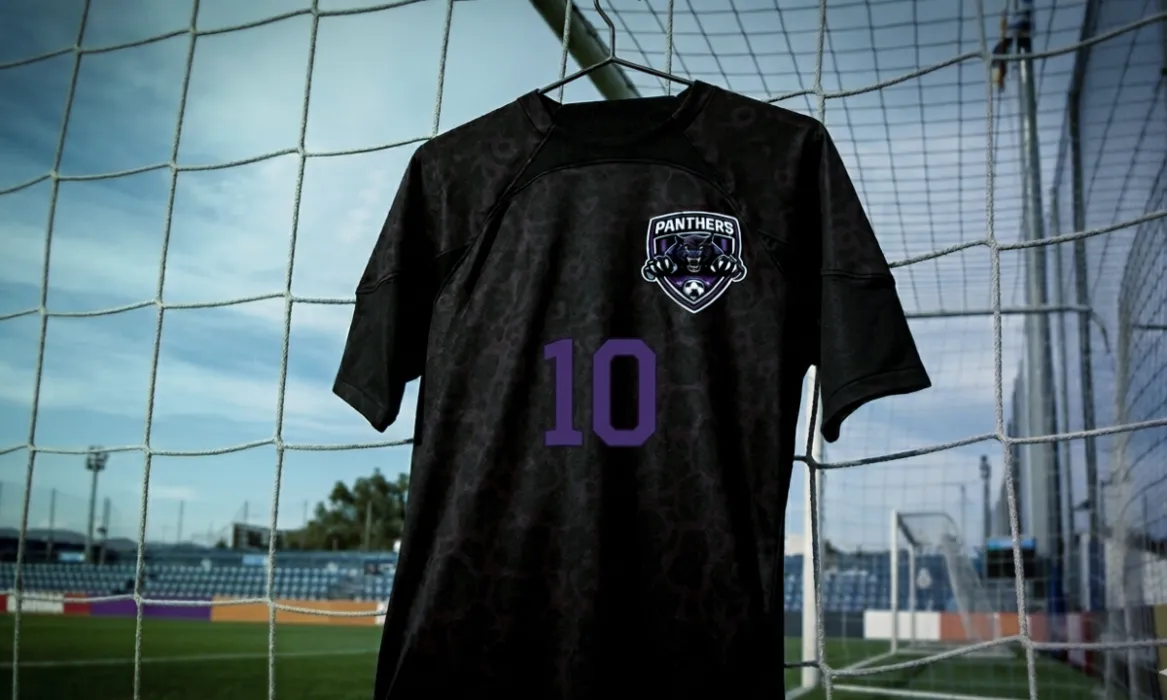
The team kit is one of the most visible parts of a club’s identity.
It appears in:
- matches
- training sessions
- photographs
- videos
- social media posts
A well-designed kit helps the club look organised and professional.
Use Inspiration, But Avoid Copying
It’s perfectly normal to take inspiration from famous kits or historic designs.
However, it’s better to use those references as inspiration rather than copying them directly.
Original kits help teams build their own identity.
A Good Kit Helps Attract Sponsors
Sponsors prefer to associate their brand with clubs that look organised and professional.
A well-designed kit can:
- showcase the sponsor’s logo clearly
- improve the club’s image
- increase interest from potential partners
For this reason, investing in a good kit design can bring financial benefits to the team.
A Strong Identity Helps a Football Club Grow
A clear visual identity offers many advantages for an amateur football club.
It helps to:
- increase recognition of the club
- attract sponsors
- strengthen the supporter base
- add value to the kit
- create official merchandise
Teams that look organised off the pitch often gain more trust from sponsors, players and supporters.
In football, identity is built through symbols: the name, the badge, the colours and the shirt.
How Clubjourney Helps Strengthen Your Team’s Brand
Beyond visual identity, the organisation of the club also shapes how it is perceived.
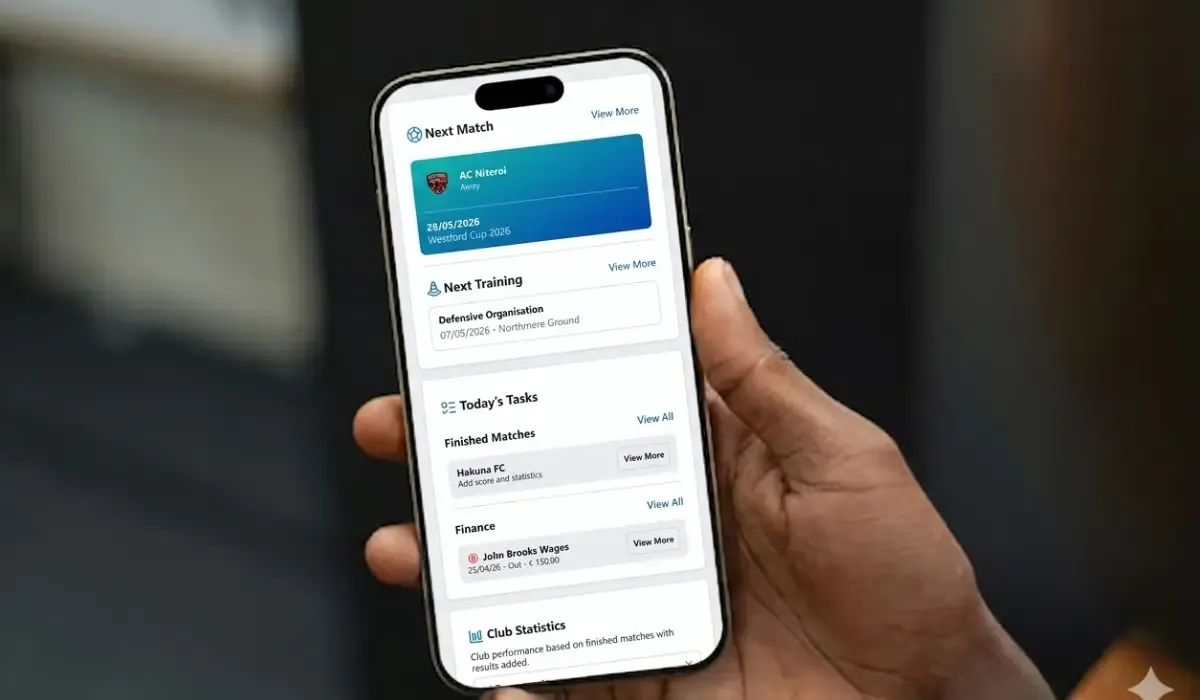
With Clubjourney, your team can:
- create an official club website
- display the team badge and colours
- present players and statistics
- showcase sponsors
- publish fixtures and match results
This helps transform an amateur team into a more structured and professional project.
When strong visual identity and good organisation work together, a football club gains far more credibility both on and off the pitch.