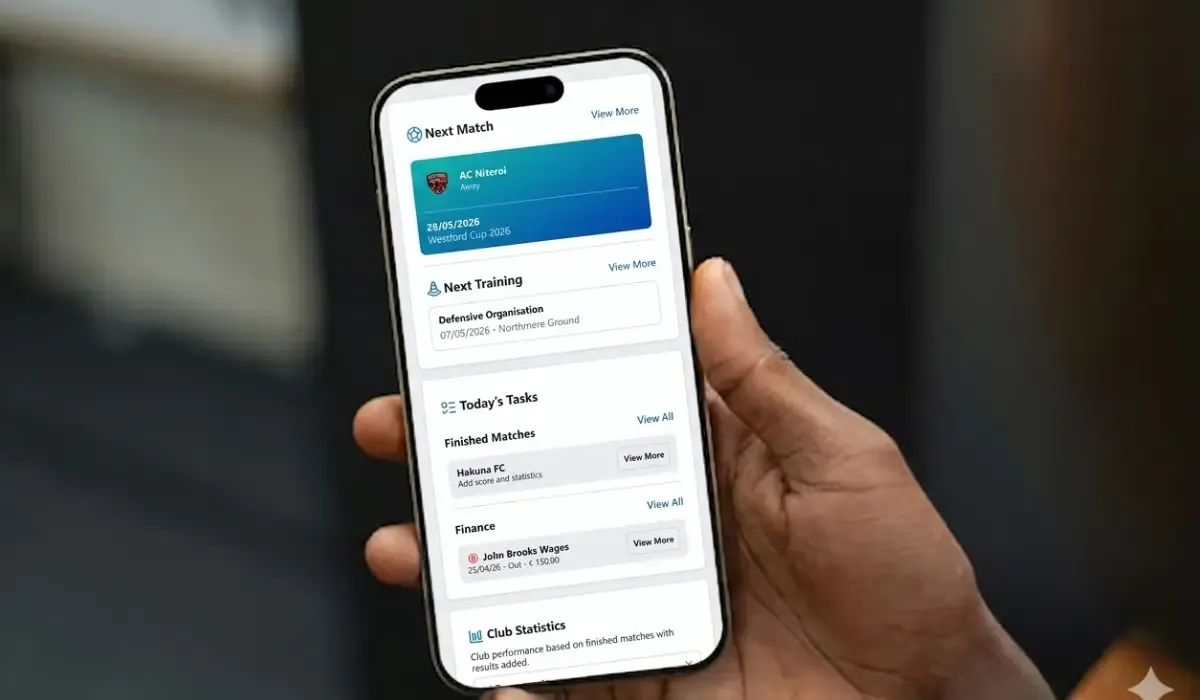
Starting a grassroots football club is a goal many players, coaches and organisers share. Whether you want to enter a local Saturday league, compete in a Sunday league division, or simply bring structure to a group of mates who play weekly, the challenge is always the same at the beginning: lack of structure, unclear roles and no proper system in place.
This complete guide explains, step by step, how to organise a football club from scratch. You’ll learn how to structure your squad, manage fixtures, track results, control finances and use technology to run your club in a more professional way, even at grassroots level.
Define the Purpose of Your Football Club
Before thinking about kits, league registrations or recruitment, you need clarity.
Ask yourself:
- Is this a recreational side or a competitive club?
- Do you want to enter an organised league or just arrange friendlies?
- Is the focus social, performance-based, or a mix of both?
This decision shapes everything that follows.
A club entering league football will require commitment, reliable availability, financial organisation and performance tracking. A more casual Sunday side still benefits from structure, but may operate with lighter processes.
Clarity at this stage prevents confusion and internal conflict later on.
Build and Organise Your Squad Properly
One of the biggest problems in grassroots football is poor squad management. Players come and go, availability is unclear, and matchdays become chaotic.
From day one, you should:
- Register every player
- Record basic details such as name, position and contact information
- Track availability
- Define leadership roles, such as captain and vice-captain
Having a structured player database improves communication and avoids last-minute issues before fixtures.
With Clubjourney, club organisers can register players, separate squads (men’s, women’s, U-20, futsal, 7-a-side...) and manage everything in one central system. That level of organisation becomes essential as the club grows.
Create and Manage a Proper Fixture Calendar
Fixture management is one of the biggest challenges for non-professional football clubs.
Kick-off times change. Pitches get switched. Cup matches are rearranged. Without a central calendar, confusion spreads quickly.
A well-organised fixture list should include:
- Date
- Kick-off time
- Venue
- Competition (league, cup or friendly)
- Opposition
Keeping fixtures updated helps players plan around work, family and other commitments. It also gives your club credibility when dealing with leagues and opponents.
Clubjourney allows organisers to schedule future matches and maintain a full match history, which is essential for long-term development and reporting.
Record Results and Track Performance
Many grassroots clubs only remember the final score, often buried in a group chat. That’s a missed opportunity.
To manage your football club professionally, you should record:
- Final score
- Players who featured
- Goals scored
- Assists
- Bookings
- Clean sheets
Tracking this data allows you to generate meaningful football statistics, including:
- Win percentage
- Goal difference
- Form over time
- Top scorers
- Player appearance records
Performance tracking improves decision-making and increases player engagement. When players see their stats recorded properly, commitment levels often rise.
Clubjourney automatically generates team and individual statistics based on match data entered by the club.
Organise Club Finances from the Start
Money is often the most sensitive issue in grassroots football.
Pitch hire, referee fees, league registration, kits and social events all require funding. Without clear financial management, disputes quickly arise.
From the beginning, define:
- Membership fees or match subs
- Payment deadlines
- What expenses are covered
- How surplus funds are used
Transparency builds trust within the club.
Clubjourney includes financial tracking tools, allowing organisers to record income and expenses, monitor cash flow and maintain accountability across the season.
Build a Strong Club Identity and Online Presence
Even at grassroots level, identity matters.
A clear club name, badge, colours and kit design strengthen belonging and improve how others perceive your project. A professional image can help attract sponsors, players and community support.
Having an official club website centralises:
- Squad information
- Fixtures
- Results
- Statistics
- Sponsors
It also increases credibility when entering leagues or approaching local businesses.
With Clubjourney, your football club website is automatically generated based on your registered information, making it easy to establish a professional online presence without technical knowledge.
Use Technology to Run Your Football Club More Efficiently
Spreadsheets and messaging apps work at first. But as your grassroots football club grows, scattered information becomes a problem.
A dedicated football club management system centralises:
- Squad management
- Fixture scheduling
- Match results
- Statistics
- Financial tracking
- Communication
Clubjourney was built specifically to help grassroots football clubs operate in a more organised and professional way, regardless of size or competition level.
Start with a 7-Day Free Trial
Winning matches is important. But long-term success depends on organisation, structure and consistency.
If you are building a grassroots football club from scratch, setting things up correctly from the beginning will save time, prevent internal issues and increase your chances of sustainable growth.
Create an account and try the Pro plan free for 7 days with Clubjourney.
Frequently Asked Questions About Organising a Grassroots Football Club
How do I start a grassroots football club from scratch?
Begin by defining your club’s purpose. Then build your squad, organise fixtures, register results, manage finances and use a football club management system to centralise everything.
Is it worth using a football club management system?
Yes. A management platform improves communication, reduces errors, tracks performance and gives your grassroots club a more professional structure.
Can I organise a football club on a small budget?
Absolutely. With clear financial planning and digital tools like Clubjourney, you can run a grassroots football club efficiently while keeping costs under control.